Illustrative stock photography · not a client project
Before the first build
A storefront designed around real orders
A customer selects a product variant, adds two items to the cart and checks delivery availability. The store should preserve the chosen variant, show the full cost and explain the confirmation and return process.
We design catalog structure, product pages, search and filters, tax and shipping presentation, payment integration boundaries and order-notification flows around the client's operational model.
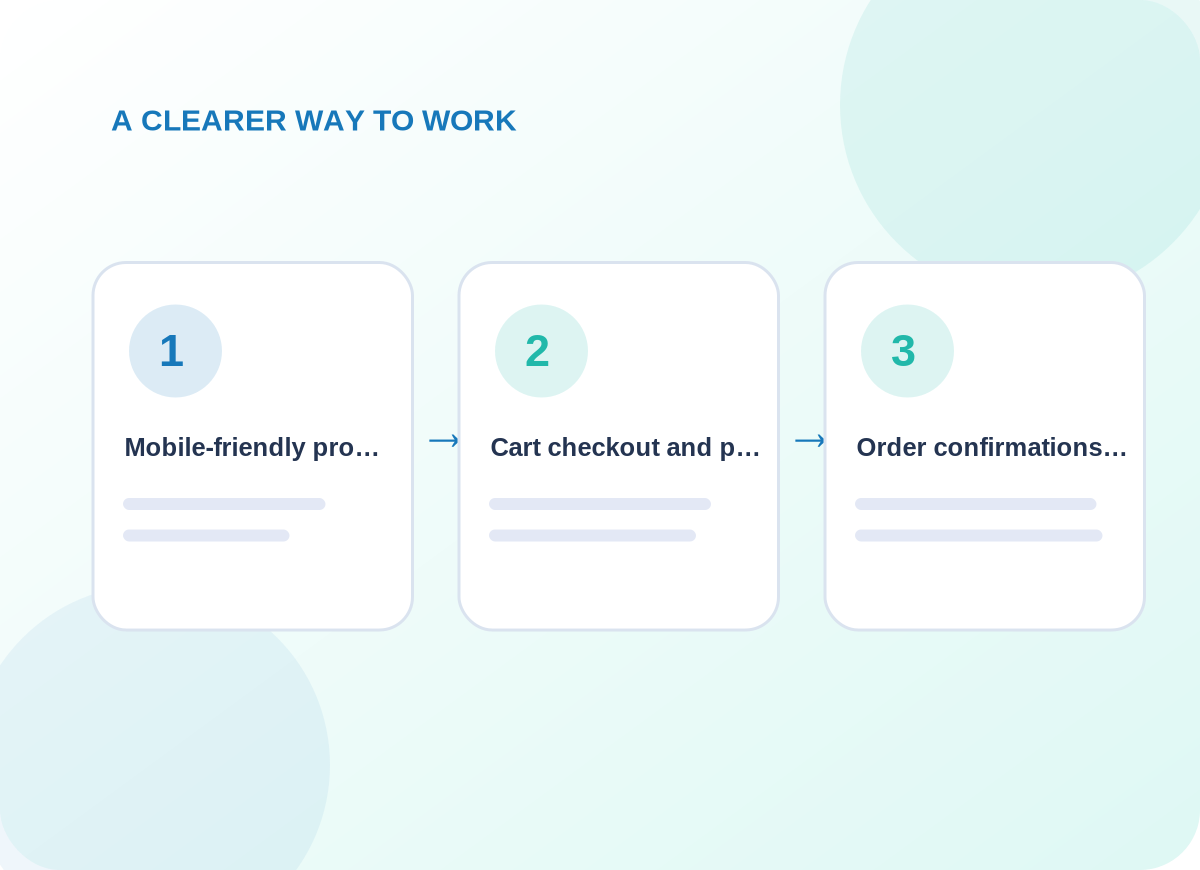
Conceptual delivery stages tailored during discovery
What is included
From discovery to dependable checkout
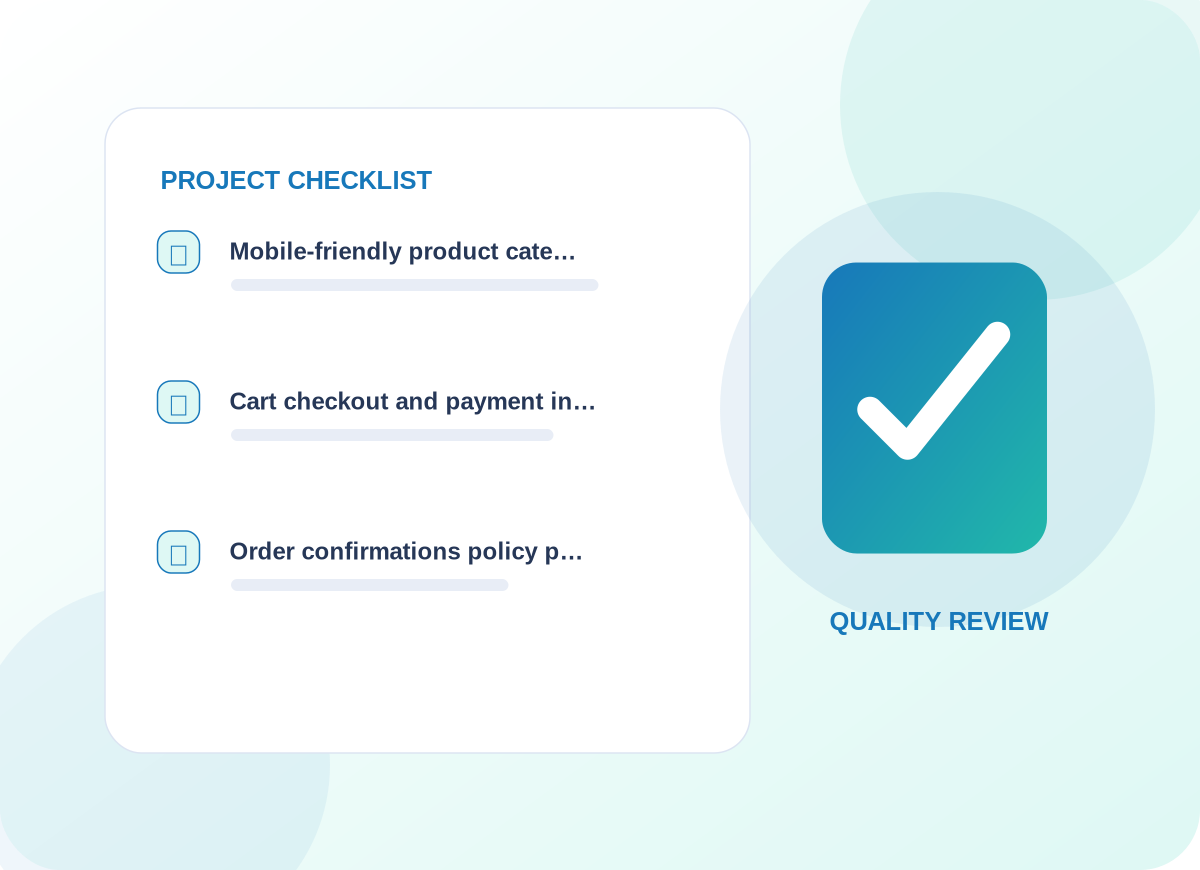
Choose the capabilities that matter to your business. The final quote identifies which systems, channels and ongoing tasks are in scope.
01
Mobile-friendly product categories, product detail pages and search or filtering
The first design review identifies the information needed for mobile-friendly product categories, product detail pages and search or filtering. That decision affects customer-facing wording, who maintains the information, and how a person recognizes an incomplete request. We agree examples before implementing a live workflow.
02
Cart, checkout and payment integration planning with transparent shipping information
For cart, checkout and payment integration planning with transparent shipping information, provider access and existing data are inspected before a connection is promised. We document what is read, what may change, and how a failure reaches the responsible person. The resulting process should make sense even without its diagram.
03
Order confirmations, policy presentation and operational handover
With order confirmations, policy presentation and operational handover, we agree a useful acceptance check and record what happens when expected information is missing. The handover explains how to review the result and who should respond to unusual cases rather than leaving them in an anonymous queue.
Project details are confirmed before delivery
How we work
Prepare for the exceptions customers see
Real orders involve payment failures, abandoned carts, stock conflicts, refunds, customer support and recordkeeping. These states need deliberate handling and provider-specific verification.
01
Explore the current setup
We start by asking the right people to explain their existing process and exceptions. The immediate work is to define product variants, stock model, tax rules, delivery regions and payment methods. We agree who can approve changes and which user or customer interactions cannot be disrupted.
02
Design and prepare
Once the scope is clear, the delivery team works to build the catalog and connect selected platforms or providers within agreed scope. Existing permissions and provider limitations are checked; any dependency not available is called out before launch instead of being presented as completed.
03
Verify before handover
Before the service is accepted, we plan to test order paths, failed payments, out-of-stock states, mobile checkout and refunds. We document issues found in realistic scenarios and leave clear instructions for requesting changes or escalating unresolved work.
What you can expect
Practical deliverables, not a vague promise
A storefront plan, content templates, selected platform or integration configuration, checkout test matrix and store-management handover.
We do not advertise a payment provider as live until the merchant account and end-to-end transaction are verified.
We also discuss how to observe progress using checkout errors, incomplete orders, support questions and catalog update speed. Those are useful review points for the agreed engagement, not claims about results that have already been achieved.
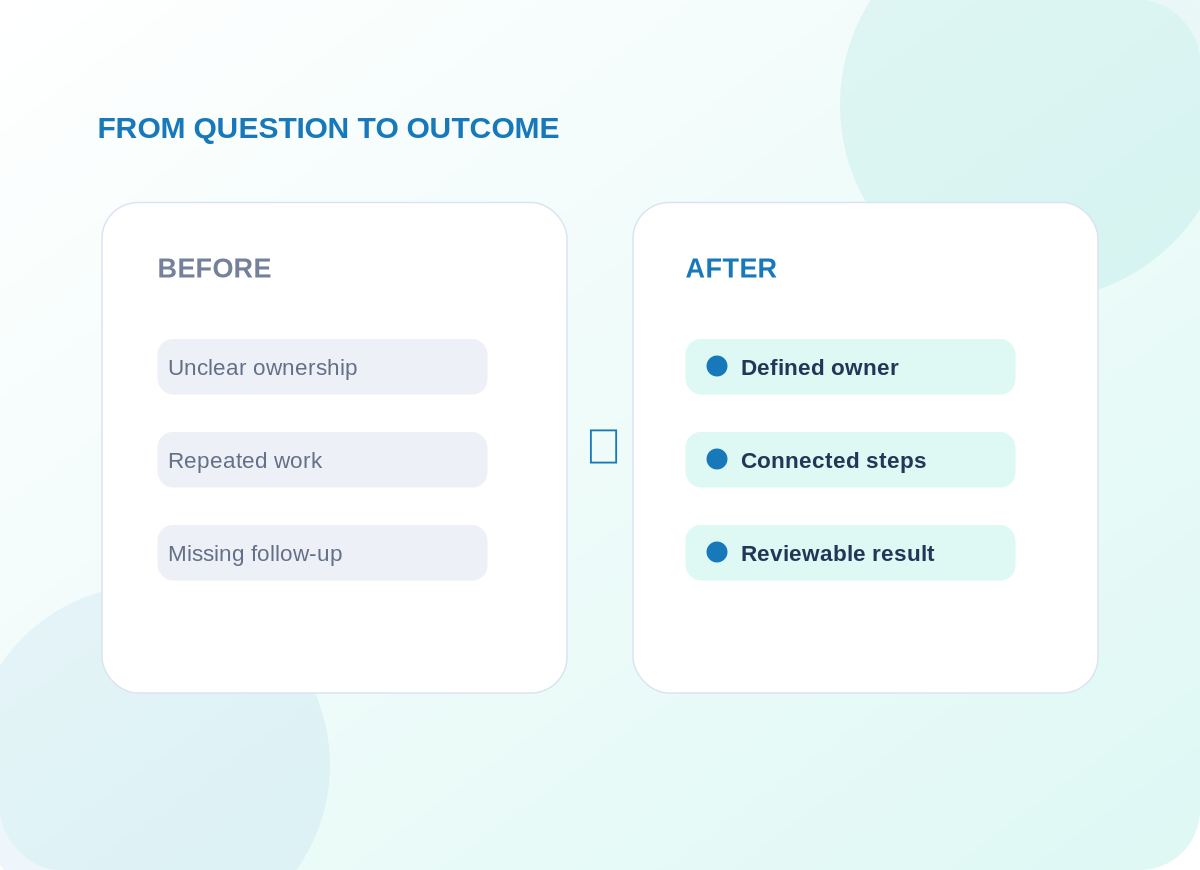
Example operational improvements to consider
Common questions
Questions worth answering before you begin
Which checkout and payment platforms are supported?
The choice depends on your country, platform, merchant approval and available provider integrations. We verify checkout and payment handling rather than presenting a mockup as live.
Can you import an existing product catalog?
Often yes, once the export format, variants, image ownership and inventory model are reviewed. We validate a small sample before a full import.
Start with a conversation
Let’s discuss your e-commerce website development project.
Tell us about the tools you use, the work that needs improving and the constraints we should respect. We will recommend an appropriate first step.